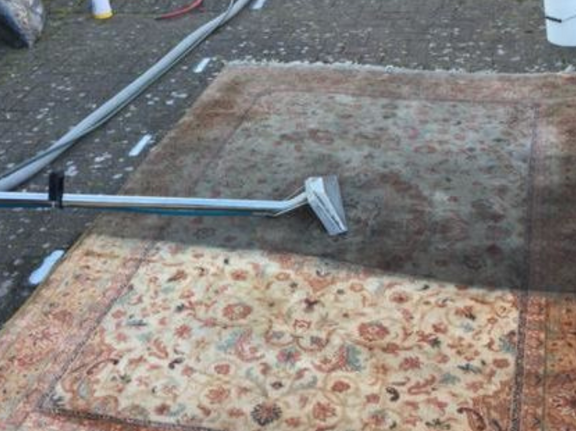
Cleaning a rug at home can appear relatively straightforward, but achieving an even finish across the entire surface is often more difficult than expected. One section may dry noticeably lighter than another, stains can leave visible outlines, fibres may feel different after cleaning, or patches can appear where too much product or moisture has been applied. These results are often caused by differences in cleaning technique, moisture levels and the way individual rug fibres respond to treatment.
For homeowners in Westgate-on-Sea, Kent, professional rug cleaning provides a more controlled approach. At K&S Carpet Cleaning Westgate-on-Sea, we assess the rug and its condition before selecting an appropriate cleaning method, helping to achieve a consistent clean while treating the fibres with suitable care.
Rugs Are Not All Made the Same
One reason DIY cleaning can be unpredictable is that rugs vary considerably in their construction. Different fibres, dyes, pile depths and backing materials can respond differently to moisture and cleaning solutions.
A method that produces acceptable results on one rug may be unsuitable for another.
Before professional cleaning begins, factors such as the following should be considered:
- Fibre type
- Pile construction
- Colour stability
- Level of soiling
- Existing stains
- Previous cleaning treatments
- Overall condition
Understanding the material is an important first step towards achieving an even result.
Uneven Application of Cleaning Solution
Household rug cleaning often involves spraying or applying a product manually. It can be difficult to distribute the solution consistently across a large surface.
Some areas may receive considerably more product than others. Heavily treated sections can then dry differently or retain additional residue, making the rug appear patchy.
Professional cleaning uses controlled techniques designed to treat the rug more consistently rather than concentrating excessive amounts of solution in individual areas.
Too Much Water Can Create Visible Differences
Using more water does not necessarily mean a rug will become cleaner. Excessive moisture can penetrate deep into the pile and backing, while other areas may remain comparatively dry.
This uneven saturation can result in:
- Different drying times
- Water marks
- Patchy-looking fibres
- Residue movement
- Uneven appearance after drying
Moisture control is therefore an important part of effective rug cleaning.
Spot Cleaning Can Leave Clean Patches
When a stain appears, homeowners understandably concentrate their cleaning efforts on that particular area. However, repeatedly treating a small section can sometimes make it noticeably cleaner than the surrounding rug.
Once the rug dries, the original stain may be less visible, but the treated area can stand out because general dirt remains elsewhere.
This is particularly noticeable on rugs exposed to regular foot traffic, where gradual soiling may have changed the appearance of the whole surface.
Cleaning Products Can Leave Residue Behind
Another common cause of uneven results is cleaning solution remaining within the fibres.
Applying too much detergent or failing to remove it thoroughly can leave residues that affect the texture and appearance of the rug. Residue can also attract fresh dirt, causing previously cleaned sections to become dull again relatively quickly.
Effective cleaning therefore involves both loosening contamination and removing the cleaning solution and suspended dirt appropriately.
Different Areas May Contain Different Levels of Dirt
A rug rarely becomes dirty at exactly the same rate across its entire surface.
Areas close to doors, sofas and frequently used walkways can accumulate considerably more soil than sections beneath furniture or around the edges.
As a result, applying exactly the same DIY treatment everywhere may not necessarily produce a consistent finish. Heavily soiled areas may require additional attention, while lightly used sections may need much less treatment.
Professional cleaning allows these differences to be considered as part of the overall process.
Scrubbing Can Change the Appearance of the Pile
Aggressive scrubbing is often used when a stain or heavily soiled patch proves difficult to remove. Unfortunately, excessive agitation can affect the direction and texture of rug fibres.
A heavily scrubbed area may subsequently reflect light differently from the surrounding pile, creating the impression that the colour has changed even after the rug is clean.
Careful cleaning techniques are particularly important when working with rugs that have delicate or distinctive pile structures.
Uneven Drying Can Affect the Final Appearance
The cleaning process does not finish when the dirt has been loosened. Drying is also important.
If one section of a rug remains wetter than another, the final result may be inconsistent. Differences in airflow, moisture concentration and pile depth can all influence drying.
Excessively wet areas may also encourage contamination or residues from deeper within the rug to migrate towards the surface as moisture evaporates.
Controlled moisture levels help support more even drying.
Previous DIY Treatments Can Complicate Cleaning
A rug that has been treated several times with different household products may contain residues from previous cleaning attempts.
When additional moisture or cleaning solution is introduced, these residues can react differently across the surface. This may contribute to:
- Patchiness
- Reappearing marks
- Sticky fibres
- Uneven texture
- Faster re-soiling
When arranging professional cleaning, it can be useful to explain what products have previously been applied where this information is known.
Why Vacuuming Alone Cannot Remove Everything
Regular vacuuming is an important part of rug maintenance, but it mainly targets loose surface debris. Fine soil can gradually work deeper into the pile, particularly in heavily used areas.
This embedded contamination can cause sections of the rug to look darker or duller even after thorough vacuuming.
Professional rug cleaning is designed to address deeper accumulated soiling while taking the rug’s material and construction into account.
Why Professional Rug Cleaning Can Produce More Consistent Results
Professional rug cleaning is different from simply applying stronger cleaning products. The main advantage is greater control over the complete process.
An experienced cleaner can consider:
- Appropriate treatment for the rug fibres
- Distribution of cleaning solution
- Stain-specific treatment
- Moisture levels
- Extraction of loosened contamination
- Existing product residues
- Differences in soiling across the rug
This allows the cleaning method to be adapted to the condition of the rug rather than relying on one general DIY approach.
Professional Cleaning Also Helps Protect the Rug
Appearance is only one consideration when cleaning a rug. Excessive scrubbing, unsuitable products and over-wetting can place unnecessary stress on fibres and backing materials.
Professional cleaning aims to achieve an effective result without treating the rug more aggressively than necessary.
This measured approach can help preserve:
- Fibre texture
- Overall appearance
- Colour consistency
- Pile condition
- General cleanliness
For rugs that form an important part of a room, careful maintenance can make a noticeable difference to how they look and feel.
Why Choose K&S Carpet Cleaning Westgate-on-Sea?
At K&S Carpet Cleaning Westgate-on-Sea, we provide professional rug, carpet and upholstery cleaning throughout Westgate-on-Sea, Kent. We understand that different rugs require different cleaning approaches, particularly where staining, uneven soiling or previous DIY treatments are involved.
Our approach begins by considering the material and condition of the rug before selecting a suitable cleaning method. By controlling moisture, treatment and extraction carefully, we aim to provide a thorough and consistent clean while taking appropriate care of the rug’s fibres and construction.
Conclusion
DIY rug cleaning can produce uneven results because achieving consistent treatment across an entire rug is more complicated than it first appears. Uneven cleaning solution, excessive moisture, concentrated spot treatment, detergent residue, aggressive scrubbing and different drying rates can all leave the finished surface looking patchy.
The rug itself also matters. Different fibres, pile constructions and levels of soiling require an appropriate cleaning approach rather than a single method for every situation.
If your rug in Westgate-on-Sea, Kent looks uneven following DIY cleaning, or it simply needs a more thorough clean, contact K&S Carpet Cleaning Westgate-on-Sea. Our professional rug cleaning service can assess its condition and provide an appropriate treatment designed to achieve a cleaner, more consistent finish.
Call us on: 01843 264 690
Click here to find out more about K&S Carpet Cleaning Westgate-on-Sea
Click here to complete our contact form and see how we can help with your carpet needs.